0800 645 0099



 Empilhadeiras a Combustão
 Empilhadeiras Trilaterais
 Empilhadeiras Pantográficas
 Rebocadores
 Empilhadeiras Retráteis
 Empilhadeiras Patoladas
 Selecionadores de Pedido
 Transpaleteiras Elétricas
 Transpaleteiras Manuais
 Contrabalançadas Elétricas


Bookkeeping for startups: how to set up and scale your finances

Accounting is crucial for startups because it gives you a clear picture of your finances. This allows you to make informed decisions and manage resources effectively. A startup can benefit from having an accountant, but it depends on its stage and needs. When starting out the budget is tight, you might handle accounting yourself using software like QuickBooks or Xero. However, as the business grows, an accountant becomes essential for tax compliance, financial strategy, and managing complex transactions.
Financial statements: A startup’s secret weapon
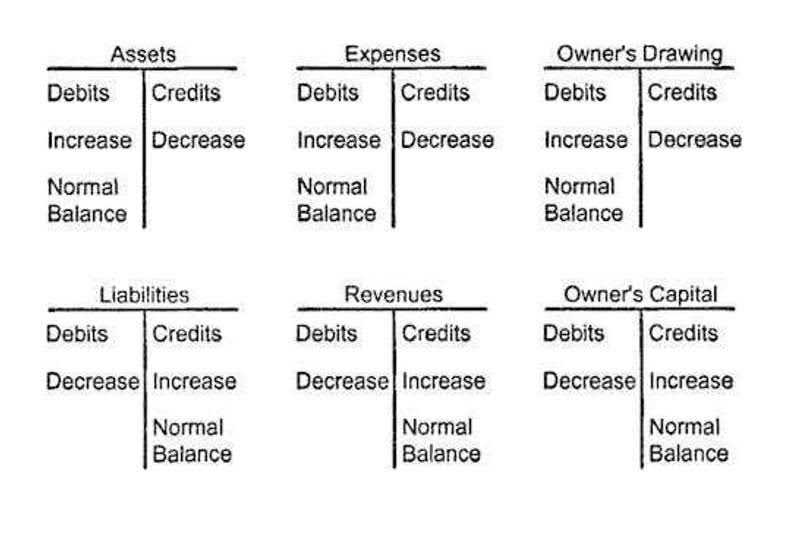
It’s never wise to commingle your business accounting with your personal expenses. It might seem a bit strange to use this as a metric because you want to judge candidates on their qualifications. Still, you need to ensure that everyone likes your accountant as a person and a personality within your company. First and foremost, you will want an accountant that is forward-looking and aims for growth, growth, growth! They should be able to tell you about businesses they have worked with through numerous fundraising stages.
- Learning the best bookkeeping practices can save you time, allowing you to focus on other business accounting and startup small business goals.
- In this guide, we will walk you through everything you need to know about accounting for startups, including how to set up your own system.
- Milestone combines deep financial insight with hands-on support so businesses …
- In many industries, it is common for contractors to work with in-house teams, receive company-specific training, and bill hourly.
- Understanding the current state is crucial for informed decision-making during the scaling process.
- This will keep your finances organized and prevent them from becoming overwhelming.
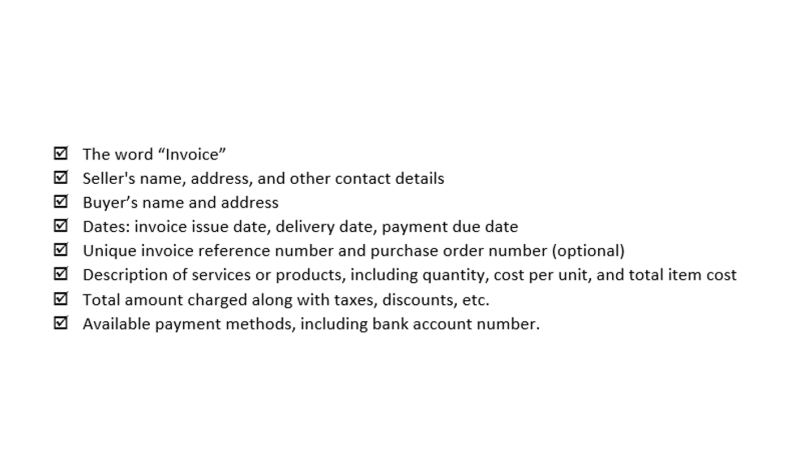
Send Out Your Invoices and Review your receivables
Consider hiring a professional accountant or financial advisor to manage your finances. They can provide valuable insights, ensure compliance, and help you make informed business decisions. At FinancePal, we take pride in helping businesses like yours succeed https://mundoabuelos.cl/accounts-receivables-insurance-insurance-coverage/ with our advanced, customer-oriented, online startup accounting and bookkeeping services.
- You will want to check to see if your payroll is synced with QuickBooks.
- Choosing your business entity and knowing what your accounting methods are will be necessary to your business.
- Additional features include bookkeeping advisory and software, financial reporting, accounting services, payroll services, and business entity formation.
- Second, if you have distributed teams, they will handle the headaches of paperwork that comes with that.
- This standardization aids in training new team members and maintaining efficiency as your startup expands.
Balance Sheet
- When your finances are organized and clear, it’s not just about keeping things neat.
- This document is vital for financial planning and managing day-to-day operations effectively.
- Remember, the best software is the one your team will actually use.
- Kruze uses automated systems to manage accounts payable, and feeds that data into your accounting system for up-to-date cash management.
- Proper bookkeeping gives lenders, investors, and auditors the assurance they need to confirm your business is operating legitimately and sustainably.
- Choosing the right accounting method affects how you record, organize, and understand your financial data.
Accounting for startups isn’t just about tracking expenses—it’s about ensuring your finances are in order, spotting opportunities to grow, and avoiding costly mistakes. Finally, diligently recording transactions is a critical aspect of accounting for new business start-up costs. Ensure you record every financial transaction accurately—a revenue sale, an expense, or a bookkeeping for startups tax payment. Consistent and precise bookkeeping is vital in maintaining good financial hygiene.
Avoiding common accounting pitfalls
At 1800bookkeeping, we help you monitor cash inflows and outflows, giving you real-time insights into your financial health. This visibility helps you make data-driven decisions and identify opportunities to streamline expenses and maximize resources. Plus, with our reliable bookkeeping software, recording transactions you’ll have access to reports and financial statements whenever needed, making planning, budgeting, and attracting investors easier. This comprehensive guide will delve into various aspects of startup accounting. You will learn how to set up your accounting system, choose the right software, and maintain accurate financial records. We will also discuss hiring a professional accountant, budgeting for accounting services, and cost-effective strategies to manage these expenses.
Bank statements

Although an accountant can’t offer you legal advice, they can tell you what common practices exist in your industry. When it comes to income taxes, you can still take advantage of certain tax credits even when your business has no taxable income. Finding opportunities to defer tax credits can help save you money down the line. In addition to supporting accounting and planning functions, most ERPs come ready to integrate with other software and apps that generate data about your business. Whether you have a CRM solution like HubSpot, Salesforce, etc. or a WMS solution like Softeon, you can likely feed data from your software and apps into your ERP.
Atualizado em: 23/12/2020